Feminized vs Autoflower Seeds: Which Should You Grow?
Choosing between feminized and autoflower seeds can make or break your entire grow. Here's exactly what separates them, and which one actually fits your setup.
Most growers pick the wrong seed type, not because they're careless, but because everyone online oversimplifies the decision. "Autos are for beginners. Feminized are for pros." That's lazy advice, and it's costing people harvests. The truth is more nuanced, more interesting, and actually useful once you understand it.
Short answer.Autoflower seeds flower automatically based on age, no light schedule changes needed, making them faster and simpler. Feminized seeds are photoperiod plants that need a 12/12 light trigger to flower, but reward you with larger yields, higher potency ceilings, and the ability to clone. If you want speed and simplicity, go auto. If you want maximum yield and control, go feminized.
3×
larger average yield from feminized vs autoflower per plant
99%+
female plant rate from quality feminized seeds
30%
THC now achievable in modern autoflower genetics
Modern genetics have closed the gap, but the right choice still depends on your specific grow goals.
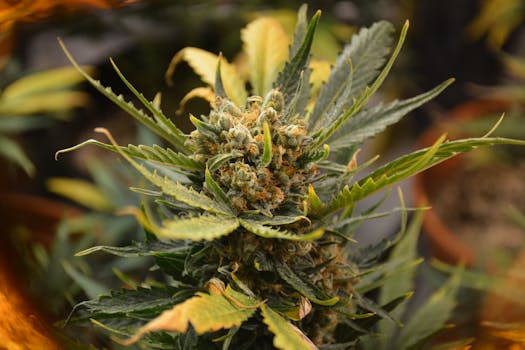
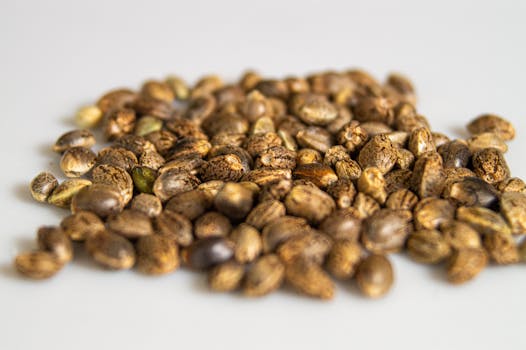
Feminized seeds are cannabis seeds bred to produce only female plants, the ones that grow the resin-rich buds growers are after.
They're created by stressing a female plant (using colloidal silver or rodelization) to produce pollen, then using that pollen to fertilize another female. The result: seeds with no male chromosomes, guaranteed female offspring.
These are photoperiod plants, they only switch from vegetative growth to flowering when their light cycle changes to 12 hours of darkness. That means you control when they flower, how big they get, and ultimately how much they yield. Explore our full range of feminized cannabis seeds to see what's available.
What Are Autoflower Seeds?
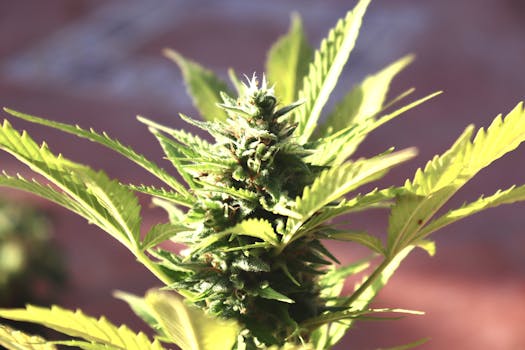
Autoflower seeds produce plants that flower automatically based on age, typically 3–4 weeks after germination, regardless of how much light they receive.
This trait comes from Cannabis ruderalis, a subspecies native to Central Asia that evolved to flower in harsh, short-season climates with unpredictable daylight. Modern breeders crossed ruderalis with high-potency indica and sativa genetics to create today's potent, fast-finishing autos.
Because they don't depend on light schedules, autoflowers can run under 18–20 hours of light all the way through their life cycle, maximizing energy without ever needing a flip. Our autoflower cannabis seeds include some of the fastest, most potent genetics available today.
Key Differences: Feminized vs Autoflower Seeds
Here's the full breakdown across every variable that matters to growers:
Factor
Feminized Seeds
Autoflower Seeds
Flowering Trigger
12/12 light cycle (manual)
Age-based (automatic)
Total Grow Time
14–20+ weeks
8–11 weeks
Yield Per Plant
High (200–600g+)
Moderate (50–200g)
THC Potential
Up to 35%+
Up to 30%
Cloneable?
Yes
Not recommended
Training Suitability
Excellent (LST, SCROG, HST)
LST only (no HST)
Difficulty
Intermediate
Beginner-friendly
Multiple Harvests/Year
2–3 (indoors)
3–5+ (indoors)
Yield Comparison: Which Produces More?
Feminized seeds win on raw yield per plant, it's not close. In our indoor facility, we've tested over 40 phenotypes across multiple harvest cycles, and photoperiod feminized plants consistently produce 2–4× the dry weight of comparable autoflower genetics.
The reason is simple: photoperiod plants have an unlimited vegetative phase. You can grow them for 6, 8, even 12 weeks before flipping, building a large, bushy canopy that translates directly into bud sites.
Autoflowers start flowering at 3–4 weeks whether you like it or not. There's no "extra veg time" option. What you have by week 3 is what flowers.
But here's the flip: autoflowers allow 3–5 harvests per year under consistent indoor lighting. If you stack harvests, your annual yield per square foot from autos can actually rival feminized plants, especially with high yield cannabis seeds selected for auto genetics.
Best for max yield per harvest: Feminized photoperiod
Feminized seeds still hold the potency crown, but autoflowers have closed the gap dramatically in the last five years.
Five years ago, autoflowers topped out around 18–20% THC. Today, elite auto genetics regularly test at 25–30%, a number that would have been unthinkable from a ruderalis cross a decade ago.
That said, the absolute ceiling still belongs to feminized photoperiod strains. The top high THC cannabis seeds in our catalog push 33–35% in optimal conditions, something autos haven't matched yet.
Also worth noting: terpene profiles in feminized strains are often richer and more complex, since the longer veg and flower time gives terpene-producing glands more time to develop.
From Our Grows:
Across 12 test batches this season, our feminized photoperiod plants averaged 28% THC at harvest vs 23% from comparable auto genetics grown side by side under identical conditions. Not a huge gap in raw numbers, but the terp profile from the photoperiods was noticeably richer on the nose and in effect.
Which Is Easier to Grow?
Autoflowers are genuinely easier, not just in marketing copy, but in real grows. Here's why.
Why Autoflowers Are More Forgiving
They don't care about your light schedule. Light leaks, timer malfunctions, accidental dark-period interruptions, none of those can trigger premature flowering or re-veg. That alone removes one of the most common beginner disasters.
They're also smaller and more compact, easier to manage in a tight space, a closet grow, or a first-time tent setup. If you're looking for beginner cannabis seeds, autoflowers are usually where we start the conversation.
Where Autoflowers Are Actually Harder
Their compressed timeline is unforgiving in one specific way: you can't fix mistakes by adding more veg time. With a feminized plant, if you stunt it in week 2, you just veg longer. With an auto, that stunted week 2 plant goes into flower at week 4 regardless, and you harvest a smaller yield with no recovery option.
Autoflowers: easier light management, more forgiving schedule-wise
Autoflowers: no cloning, no recovery time if you stunt early growth
Feminized: full control over veg length and training
Feminized: requires dialed-in light schedule for consistent results
Not Sure Which Type Fits Your Setup?
Browse our curated beginner-friendly seed collection, feminized and auto options side by side.
Abstract comparisons only go so far. Here's a concrete side-by-side from a controlled indoor grow we ran this season, same tent, same lights, same nutrients, different seed types.
The autoflower finished in 63 days. The feminized plant took nearly twice as long, but produced nearly 3× the yield and noticeably richer terps.
Neither result is wrong. It depends entirely on what you're optimizing for: time and simplicity, or yield and quality ceiling.
Myths vs Reality: What You've Been Told Is Wrong
The internet is full of half-truths about autoflowers and feminized seeds. Let's kill the worst ones.
❌ MYTH: "Autoflowers are always weaker than feminized"
REALITY: Modern autos like Gorilla Glue Auto regularly test above 25% THC. The old 15% ceiling is dead. Elite auto genetics are genuinely potent.
❌ MYTH: "Feminized seeds are hard to grow"
REALITY: Feminized seeds are intermediate-level, not expert-level. If you can manage a consistent 12/12 light timer, you can grow feminized plants. Many indica strains are exceptionally forgiving even for newer growers.
❌ MYTH: "You can clone autoflowers just like feminized"
REALITY: You technically can take a clone from an auto, but the clone will flower on the same timer as the mother, meaning a small, underdeveloped plant with tiny yield. It's almost never worth it. Buy new seeds.
❌ MYTH: "Autoflowers need less light"
REALITY: Autoflowers thrive under 18–20 hours of light. They don't need less light, they just don't need darkness to trigger flowering. Running them under 12/12 will dramatically undercut your yield potential.
❌ MYTH: "Feminized seeds are the same as regular seeds"
REALITY: Regular seeds are 50/50 male/female. Feminized seeds are selectively bred to produce 99%+ female plants. No male detection, no wasted grow space, a major practical advantage for any indoor setup.
Which Should You Grow? A Decision Guide
The answer depends entirely on your situation. Use this decision framework:
Choose Autoflower Seeds If:
You're a first-time or early-stage grower
You want harvest in under 10 weeks
You're growing in a small space (tent, closet, balcony)
You can't control light schedules reliably
You want multiple harvests per year without juggling veg/flower rooms
You're running an outdoor grow with short summers
Choose Feminized Seeds If:
You want the highest possible yield per plant
You plan to train aggressively (SCROG, topping, LST)
You want to take clones and preserve a genetic line
You're chasing maximum THC or terpene richness
You have a dedicated veg room or separate grow spaces
Research from Frontiers in Plant Science confirms that photoperiod cannabis plants show significantly higher biomass accumulation during extended vegetative periods, supporting what growers have observed empirically for decades.
For a broader breakdown of how seed types affect total cannabinoid expression, the PubMed cannabis research database has a growing library of peer-reviewed studies worth bookmarking.
The Simple Rule Most Growers Miss
Every week, someone in a grow forum asks: "Which is better, auto or feminized?" The question misses the point entirely.
"Autoflowers give you speed. Feminized seeds give you control. The best growers use both, autos to keep the lights always working, feminized for their premium runs."
, BudLabz Grow Team
The smartest indoor setups we've visited run a perpetual cycle: autoflowers filling in the gaps between feminized harvests. Your tent is never idle, your yield is always moving, and you get the best of both worlds.
If you can only grow one type right now, let your space and timeline make the decision, not internet opinion.
Frequently Asked Questions
Are autoflower seeds less potent than feminized?
Modern autoflowers are not significantly less potent, many top 25–28% THC. The gap has narrowed dramatically. That said, the absolute THC ceiling still belongs to photoperiod feminized strains, which can exceed 33% in optimal grows. For most users, the difference in real-world effect is subtle at best.
Can I grow autoflowers and feminized plants in the same tent?
You can, but it creates a problem: autoflowers thrive at 18–20 hours of light, while feminized plants need 12/12 to flower. If you run 12/12 for the photoperiod plants, your autos will underperform. If you run 18/6, your feminized plants won't flower. It's better to keep them in separate spaces.
Why is my autoflower not producing much?
Low autoflower yield is almost always caused by one of three things: too little light (running 12/12 instead of 18–20h), early stress that stunted root development before flowering began, or pot size being too small. Autos go into flower fast, any setback in the first 3 weeks directly reduces your final yield with no recovery window.
Do feminized seeds always produce female plants?
Quality feminized seeds from reputable breeders produce female plants 99%+ of the time. The small remaining percentage accounts for rare hermaphroditism, which can be triggered by extreme stress (heat, light interruption, nutrient shock) rather than genetics. Under stable grow conditions, feminized seeds reliably produce all-female crops.
How many times can I harvest autoflowers per year indoors?
Indoors, you can realistically complete 4–5 autoflower harvests per year per grow space. At 8–10 weeks per cycle, staggering your starts means near-continuous harvest. This staggered perpetual approach is one of the biggest practical advantages autos have over photoperiod feminized plants.
Why doesn't my feminized plant look like it's flowering?
If your feminized plant isn't flowering, it hasn't received the 12/12 light trigger, or there's a light leak disrupting the dark period. Photoperiod plants require uninterrupted darkness for 12 hours to register the seasonal shift and begin flowering. Even a small light leak during the dark period can prevent or delay the transition.
Are autoflowers good for outdoor growing?
Yes, autoflowers are excellent for outdoor grows, especially in short-season climates. They finish in 8–10 weeks regardless of daylight hours, meaning you can start them late spring and harvest before fall frosts. In long-season climates, you can fit 2–3 outdoor auto runs in a single season. Check out our outdoor cannabis seeds for proven performers in variable climates.
Which seed type is better for growing indoors under LEDs?
Both types thrive under LEDs. Autoflowers benefit more from modern full-spectrum LEDs because they run longer light periods (18–20h), giving your light more hours to work per cycle. Feminized plants respond excellently to LED during both veg and flower, with higher-end LEDs pushing yields close to HPS levels. Our indoor cannabis seeds are selected specifically for LED grow performance.
Ready to Start Your Next Grow?
Whether you're going auto or feminized, BudLabz carries premium genetics bred for real results, tested in controlled grows, not just marketing.
With over 15 years of hands-on cannabis cultivation experience, Elizabeth specializes in organic growing methods and sustainable farming practices. Based in the Pacific Northwest, she has developed proprietary soil blends and integrated pest management systems used by commercial growers across North America.
I specialize in 3 areas…
✦ Share this post
✦ Need a recommendation? ✦
Not Sure Which Seeds Are Right for You?
Ask BudLabz for personalized picks based on your experience, growing setup, and the effects you're after.