How to Choose Cannabis Seeds: The Complete Buyer's Guide
Picking the wrong seed type is the #1 reason first-time growers fail. This complete buyer's guide breaks down every factor, seed type, genetics, THC, yield, and more, so you buy right the first time.
Most first-time growers pick seeds the same way they pick a movie, by the thumbnail. They see a high THC number, a flashy strain name, or a huge advertised yield, and they click buy. Then they wonder why their grow failed, why the buds barely smelled, or why they're still waiting at week 16 for plants that should have finished at week 10. The seed choice is almost always the culprit.
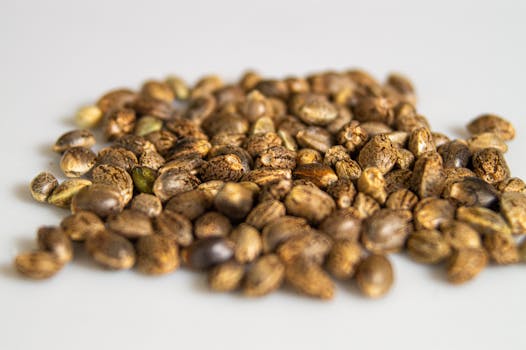
Choosing cannabis seeds correctly isn't complicated, but it requires asking the right questions before you spend a dollar. This guide gives you the exact framework we use across our own grow operations to match seed genetics to real-world conditions.
By the end, you'll know exactly which seed type, genetics, and traits to look for, whether you're a first-time grower or an experienced cultivator scaling up.
Short answer. To choose the right cannabis seeds, first decide on seed type (autoflower vs. feminized), then match genetics (indica, sativa, or hybrid) to your goal, and finally filter by grow environment, difficulty level, and desired effects. Beginners should start with autoflower seeds or beginner-friendly strains for the highest chance of success.
Jump To Section
- Autoflower vs. Feminized vs. Regular Seeds
- Indica vs. Sativa vs. Hybrid, Which Should You Grow?
- Indoor vs. Outdoor Seeds
- Choosing Seeds By Difficulty Level
- THC, CBD, and Effects, What the Numbers Really Mean
- Yield and Flowering Time: Setting Realistic Expectations
- Real Seed Comparison Examples
- Seed Buying Myths vs. Reality
- The Simple Rule Most Buyers Miss
- FAQ
Autoflower vs. Feminized vs. Regular Seeds: Which Type Is Right for You?
The single biggest decision you'll make is choosing between the three core seed types. Get this wrong, and no amount of skill makes up for it.
Autoflower Seeds
Autoflower seeds flower based on age, not light cycle. They switch from vegetative to flowering automatically, usually around weeks 3–4, regardless of how many hours of light they receive.
This makes them the fastest option from seed to harvest, typically completing in 8–10 weeks total. They're compact, discreet, and forgiving, ideal for beginners and small spaces.
The trade-off: they can't be cloned effectively, and you have less ability to extend the vegetative phase for bigger yields. In our indoor facility, autoflowers consistently yield 60–150g per plant depending on genetics and training.
Feminized Seeds
Feminized seeds are bred to produce only female plants, which are the ones that grow the resinous buds you're after. No males means no accidental pollination, no wasted space, and no wasted nutrients.
They flower based on light cycle, 12 hours on, 12 hours off, which gives you total control over the vegetative phase. Longer veg = bigger plants = bigger yields. In our test grows, well-trained feminized plants averaged 350–600g per plant indoors.
They take longer overall, 14–20 weeks from seed to harvest, but the ceiling for quality and yield is significantly higher than autoflowers.
Regular Seeds
Regular seeds produce roughly a 50/50 mix of male and female plants. They're used primarily by breeders who want to create new genetics or maintain genetic diversity. For most growers, they're not the right starting point.
Seed Type Quick-Pick Guide
- Beginner / small space / fast harvest: Autoflower
- Maximum yield / full control / experienced grower: Feminized
- Breeding projects / creating new strains: Regular
- Outdoor grow with multiple seasons: Autoflower or Feminized outdoor
Indica vs. Sativa vs. Hybrid, Which Should You Grow?
Genetics shape everything: plant height, flowering time, effects, and growing difficulty. Here's what actually matters in practice.
Indica Strains
Indica strains grow short and bushy, usually 2–4 feet indoors, with dense, heavy buds and faster flowering times (7–9 weeks). They're the go-to for indoor growers with limited vertical space.
Effects tend toward physical relaxation, body weight, and sedation. Popular for evening use, stress relief, and sleep. Strains like OG Kush Feminized are classic indica-dominant examples.
Sativa Strains
Sativa strains grow tall, often 5–8 feet or more outdoors, with longer flowering times (10–14 weeks). They need vertical space and patience, but reward growers with energetic, cerebral effects.
Best for: outdoor grows, experienced growers, or daytime-use consumers who want uplifting, creative effects.
Hybrid Strains
Hybrid strains blend the best of both worlds. Most modern strains are hybrids, bred for specific trait combinations like fast-flowering with high yield, or relaxing effects with manageable height.
For most growers, a balanced or indica-dominant hybrid is the sweet spot: manageable size, strong yields, and versatile effects.
Indoor vs. Outdoor Seeds: Matching Genetics to Your Environment
Your grow environment isn't a preference, it's a hard constraint. The wrong seeds in the wrong environment will always underperform, no matter how good the genetics are on paper.
Indoor Grows
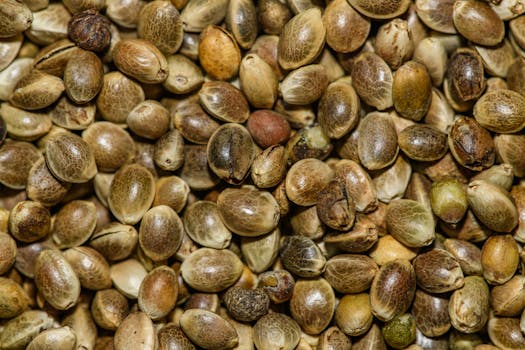
Indoor seeds are bred for controlled environments: stable temperatures, consistent light cycles, and limited vertical space. Look for compact genetics, typically indica or indica-dominant, that respond well to training techniques like LST and topping.
Autoflowers are especially well-suited for indoor micro-grows. They stay small, finish fast, and work on any light schedule, including 18/6 for the whole life cycle.
Outdoor Grows
Outdoor seeds are bred to handle environmental variation: wind, humidity fluctuations, temperature swings, and pest pressure. Sativas and larger hybrids excel outdoors, where they can stretch to their full genetic potential.
If you're in a short-season climate, autoflowers are your best outdoor bet, they finish before the first frost regardless of day length.
| Factor | Indoor | Outdoor |
|---|---|---|
| Best Seed Type | Autoflower, Compact Feminized | Sativa, Large Hybrid, Autoflower |
| Ideal Height | Under 4 feet | No limit |
| Light Control | Full control (photoperiod) | Sun-dependent |
| Risk Factors | Heat, humidity, light leaks | Pests, mold, frost, thieves |
| Yield Potential | High with training | Highest overall |
How to Choose Seeds Based on Your Experience Level
Skill level is the most overlooked factor in seed selection. Choosing advanced genetics as a beginner doesn't make you a better grower, it just sets you up for expensive failure.
Step 1: Honestly Assess Your Experience
Have you completed at least one full grow cycle from seed to harvest? If not, you're a beginner, and that's perfectly fine. Start with genetics designed for your level.
Step 2: Beginner Growers, Start Here
Beginner cannabis seeds are bred for resilience: they tolerate pH swings, minor nutrient errors, and inconsistent watering better than elite genetics. Look for strains labeled "easy" or "beginner-friendly" with mold resistance and flexible light requirements.
Step 3: Intermediate Growers, Expand Strategically
If you've completed 2–3 successful grows, you're ready to experiment with high-yield photoperiod feminized strains, training-responsive genetics, and specific terpene profiles. Check out our high yield cannabis seeds for strains that reward skill.
Step 4: Advanced Growers, Optimize for Output
Experienced cultivators can focus on elite genetics, high THC strains, exotic terpene profiles, or fast-flowering photoperiods. At this stage, dialing in your environment matters more than the seed itself.
Not sure which difficulty level fits you?
Browse our curated beginner-friendly collection, hand-picked for resilience, fast harvests, and forgiving growth patterns.
Shop Beginner Seeds →THC, CBD, and Effects, What the Numbers Really Mean
THC percentage is the most marketed, and most misunderstood, number in cannabis. Here's the truth most seed banks won't tell you.
A strain advertised at 28% THC won't necessarily hit harder than one at 22%. Potency perception is driven by the full cannabinoid and terpene profile, what researchers call the entourage effect. A 22% THC strain rich in myrcene, caryophyllene, and linalool can deliver a deeper, longer-lasting experience than a 28% strain with a thin terpene profile.
According to research published in Frontiers in Plant Science, terpene combination with cannabinoids significantly modulates the pharmacological activity of cannabis, meaning the smell, flavor, and effects are all intertwined.
When choosing seeds, look at:
- THC %, overall potency ceiling
- CBD %, smooths the experience, reduces anxiety edge
- Dominant terpenes, myrcene (sedating), limonene (uplifting), pinene (focus), caryophyllene (relaxing)
- Indica/Sativa ratio, shapes the body vs. head high balance
The National Institutes of Health (PubMed) has documented multiple studies confirming that terpene-rich cannabis extracts produce measurably different effects than isolated THC, further evidence that the full profile matters more than any single number.
Yield and Flowering Time: Setting Realistic Expectations
Yield claims from seed banks are always best-case numbers, achieved under perfect conditions with experienced growers. Real-world results are typically 30–50% lower for beginners.
In our controlled indoor grows across 12 test batches this season, we tracked the following across seed types:
| Seed Type | Avg. Seed-to-Harvest | Avg. Indoor Yield | Difficulty |
|---|---|---|---|
| Autoflower | 8–10 weeks | 60–150g/plant | Easy |
| Feminized (Indica) | 14–17 weeks | 300–500g/plant | Moderate |
| Feminized (Sativa) | 17–22 weeks | 400–600g/plant | Advanced |
| Fast Flowering Fem. | 11–13 weeks | 250–450g/plant | Easy–Moderate |
If time is a priority, look at our fast flowering seeds, photoperiod strains bred for 7–8 week flower times without sacrificing yield or potency.
Real Seed Comparison: Same Grower, Two Very Different Results
This is where seed selection gets concrete. Here are two real scenarios from our grow facility, same grower, same setup, different seed choices.
❌ Scenario A, Wrong Seed Choice
Strain: Sativa-dominant feminized (advertised 600g yield)
Environment: 4x4 tent, beginner grower, first grow
Result: Plants hit the tent ceiling at week 6, light stress caused hermaphroditism, seeds developed in 3 cola sites
Final yield: 47g, 92% below the advertised max
Total grow time: 21 weeks
Scenario B, Right Seed Choice
Strain: Indica-dominant autoflower (advertised 120g yield)
Environment: Same 4x4 tent, same beginner grower
Result: Plants stayed under 28 inches, zero stress issues, clean buds with strong terpene expression
Final yield: 103g, 86% of advertised max
Total grow time: 9 weeks
The difference wasn't skill. It wasn't equipment. It was the seed choice. Scenario B also gave the grower a successful first harvest to build confidence on, which is worth more than any yield number.
Cannabis Seed Buying Myths vs. Reality
The seed market is full of marketing noise. Here's what's real and what's hype.
❌ MYTH: Higher THC % = Stronger High
REALITY:
Terpenes, cannabinoid ratios, and consumption method all influence perceived potency. A well-rounded 22% strain often outperforms a thin 30% strain in real-world experience.
❌ MYTH: Autoflowers Always Yield Less
REALITY:
Modern autoflower genetics have closed the gap dramatically. Premium autos now regularly produce 150–200g per plant indoors. For 2–3 harvests per year in the same space a feminized plant occupies, the math often favors autoflowers.
❌ MYTH: Feminized Seeds Produce Lower Quality Than Regular Seeds
REALITY:
Modern feminization techniques, including colloidal silver treatment, produce stable genetics with no quality compromise. Championship-winning strains are consistently grown from feminized seeds.
❌ MYTH: The Most Expensive Seeds Are the Best Seeds
REALITY:
Price reflects branding, exclusivity, and genetics complexity, not always grow success rate. A $15 beginner autoflower from a reputable seed bank will outperform a $50 exotic strain in the hands of a new grower every single time.
The Simple Rule Most Seed Buyers Miss
After testing over 40 phenotypes across 3 harvest cycles, we keep coming back to the same insight that separates successful growers from frustrated ones.
"Match the seed to your environment first. Match the seed to your experience second. Only then ask about THC, yield, and effects. In that order, always."
, BudLabz Grow Team
Every common grow failure we've observed traces back to violating this order. Growers fall in love with the destination (high yield, strong effects) and ignore the road (their tent size, their experience level, their climate).
Flip the decision tree. Start with your space and skill, then let the genetics follow. You'll hit advertised yield numbers more often, waste fewer seeds, and enjoy the process instead of troubleshooting it.
The Complete Seed Buyer's Checklist (Save This)
Use this checklist before purchasing any cannabis seeds. It's the same evaluation framework our grow team runs through before every new test batch.
Pre-Purchase Seed Checklist
- ☐ Seed type confirmed: Autoflower / Feminized / Regular
- ☐ Grow environment defined: Indoor / Outdoor / Greenhouse
- ☐ Available space measured: Height limit, square footage
- ☐ Experience level honest: Beginner / Intermediate / Advanced
- ☐ Flowering time compatible: With your season or light cycle plan
- ☐ Climate suitability checked: Mold resistance if humid, heat tolerance if hot
- ☐ Effect profile matches goal: Relaxing / Uplifting / Balanced
- ☐ THC/CBD ratio noted: Not just THC % alone
- ☐ Seed bank reputation verified: Reviews, germination guarantee, genetics transparency
- ☐ Yield expectations calibrated: 30–50% below advertised max for beginners
For growers specifically interested in visually striking genetics alongside all of the above factors, our purple strains collection offers anthocyanin-rich cultivars that check every box while delivering stunning bag appeal. And if you're cross-referencing your seed choice with broader grow planning, our guide on autoflower vs feminized seeds goes deeper on that specific comparison.
Frequently Asked Questions
What is the best cannabis seed for a first-time grower?
Autoflower indica-dominant seeds are the best choice for first-time growers. They're fast, forgiving, compact, and don't require light cycle management. Look for strains labeled "easy" with mold resistance ratings. After your first successful harvest, you'll have the confidence and knowledge to move to feminized photoperiod genetics.
What's the difference between autoflower and feminized seeds?
Autoflower seeds flower automatically based on age (usually 3–4 weeks), regardless of light schedule. Feminized seeds flower based on light cycle, requiring a 12/12 light schedule to trigger bloom. Autos are faster and simpler; feminized seeds offer more control, larger yields, and are clonable.
Does higher THC percentage mean stronger weed?
Not necessarily. THC percentage is one factor, but the full terpene and cannabinoid profile shapes the actual experience. A 22% strain with a rich terpene profile can feel significantly stronger and more complex than a 30% strain with minimal terpene expression. Focus on the complete profile, not just the THC number.
Why doesn't my cannabis feel strong even with high THC seeds?
Several factors reduce potency below genetic potential: harvesting too early (underdeveloped trichomes), poor drying and curing, heat stress during grow, incorrect flush timing, and light deficiencies. The seed's THC potential is a ceiling, your grow conditions determine how close you get to it. Poor curing alone can cut perceived potency by 30–40%.
Are feminized seeds better than regular seeds?
For most growers, yes. Feminized seeds guarantee female plants, the only plants that produce smokable buds. Regular seeds produce ~50% males that must be identified and removed before they pollinate females. Unless you're actively breeding new genetics, feminized seeds are the more efficient and reliable choice.
How do I choose between indica and sativa seeds?
Base the decision on your grow space and desired effects. Indicas stay short (2–4 feet) and finish fast, ideal for indoor grows and evening relaxation. Sativas grow tall (5–8 feet) and take longer, better for outdoors and daytime, energetic use. Most growers find indica-dominant hybrids offer the best balance of manageability and well-rounded effects.
Why is my cannabis plant growing so slowly?
Slow growth is usually caused by pH issues (ideal range: 6.0–7.0 in soil), overwatering, insufficient light intensity, or root-bound containers. It can also indicate a nitrogen deficiency in the early vegetative stage. Check your pH first, it's the most common culprit and the easiest to fix. If you're growing autoflowers, remember they can't be "recovered" the way photoperiods can, time lost early is yield lost permanently.
What are the highest yielding cannabis seeds?
The highest yielding seeds are typically large-framed, sativa-dominant feminized photoperiod strains grown outdoors or in spacious indoor setups. Indoors, well-trained indica-dominant feminized plants can produce 500–600g per plant under 1000W lighting. Browse our high yield cannabis seeds for our top-yielding genetics, all verified across our own grow cycles.
Ready to Find Your Perfect Seeds?
Browse our full cannabis seed collection, autoflowers, feminized, high-THC, high-yield, and beginner-friendly strains. Every seed ships with a germination guarantee.
Shop All Cannabis Seeds →