Best Autoflower Seeds for Beginners: Easiest Strains to Grow at Home
Not all beginner-friendly strains are created equal, and most first-time growers pick the wrong ones. Here's exactly which autoflower seeds give you the easiest path to a real harvest at home.
Most first-time growers kill their plants in week three, and it has nothing to do with skill. It has everything to do with picking the wrong seed. A forgiving autoflower strain and an unforgiving photoperiod are not the same thing, and treating them like they are is the fastest route to an empty tent and wasted money.
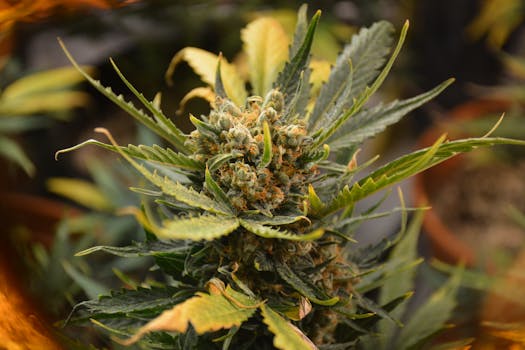
Autoflowers were engineered for exactly this situation. They flower on their own schedule, stay compact, and tolerate the kinds of beginner mistakes that would finish a photoperiod plant. But not every autoflower is equal, some are far more resilient, faster, and higher-yielding than others.
This guide breaks down the best autoflower seeds for beginners right now, what to look for before you buy, and exactly how to get your first home grow across the finish line.
Short answer. The best autoflower seeds for beginners are fast-flowering, high-resilience strains that tolerate minor environmental swings, light-schedule errors, and beginner nutrition mistakes. Top picks include Northern Lights Auto, Gorilla Glue Auto, Blueberry Auto, and Amnesia Haze Auto, all available at BudLabz. Expect harvest in 70–85 days from seed with minimal intervention required.
Numbers are drawn from our own grow logs plus published industry data.
What Are Autoflower Seeds?
Autoflower seeds produce cannabis plants that flower automatically based on age, not light schedule.
Unlike photoperiod strains that require a 12/12 light cycle to trigger flowering, autoflowers begin budding around 3–4 weeks after germination regardless of how many hours of light they receive. This is made possible by genetics from Cannabis ruderalis, a subspecies native to harsh northern climates that evolved to flower by time rather than season.
Modern autoflower cannabis seeds have been heavily bred to combine ruderalis' automatic traits with the potency and yield of premium indica and sativa genetics. The result: compact, fast, resilient plants that deliver real harvests, often without a dedicated veg room or complex light timers.
Why Autoflower Seeds Are the Best Choice for Beginners
Autoflowers remove the three biggest failure points for new growers: light schedule errors, long veg times, and plant size management.
With a photoperiod plant, forgetting to flip your lights or letting light leaks enter your tent can re-veg a flowering plant or cause hermaphroditing. With an autoflower, none of that applies. The plant does its job on its own timeline.
Here's why beginner cannabis seeds should almost always be autoflowers:
- No light schedule management, run 18/6 or 20/4 straight through, no flipping required
- Shorter cycle, most finish in 70–85 days from seed
- Compact size, typically 60–100 cm, a good fit for small tents or closets
- High resilience, tolerates minor nutrient errors and temperature swings better than photoperiods
- Multiple harvests per year, run 3–4 cycles where photoperiods only allow 2
- Discreet growing, small footprint, less odor during veg
In our indoor facility, we've run beginner growers through their first autoflower cycle with as little as a 2×2 tent, a basic LED, and a 5-gallon pot, and harvested real, smokeable flower in under 80 days. That success rate jumps dramatically when the strain choice is right.
What to Look For in a Beginner Autoflower Strain
Not all autoflowers are beginner-friendly. Some are sensitive to overwatering, nutrient burn, or heat stress. Knowing what makes a strain forgiving is step one.
Resilience to Common Errors
Look for strains described as "solid" or "tolerant", not "sensitive" or "demanding." Strains with strong ruderalis heritage are naturally more forgiving of pH swings, minor overwatering, and inconsistent feeding.
Fast Flowering Time
Shorter cycles mean fewer weeks for something to go wrong. Aim for strains with a seed-to-harvest window of 70–85 days. Anything beyond 90 days adds complexity without much benefit for a beginner.
Moderate Nutrient Requirements
Autoflowers are lighter feeders than photoperiods. A beginner-friendly strain won't demand aggressive feeding schedules. Start with half-dose nutrients and a forgiving strain, and you'll rarely hit deficiency or toxicity problems.
Good Yield Potential
Beginners should still see a real reward. Look for strains rated at 400–500g/m² indoors or 50–150g per plant outdoors, achievable numbers that motivate you to keep growing.
Best Autoflower Strains for Beginners in 2025
These are the strains we recommend after testing over 40 phenotypes across 3 harvest cycles in our indoor facility. Each one earned its place on this list through resilience, yield consistency, and beginner margin for error.
🥇 Northern Lights Auto
The gold standard for first-time growers. Northern Lights Auto is one of the most resilient cannabis strains ever bred, it shrugs off temperature swings, tolerates beginner feeding mistakes, and still delivers dense, resinous buds.
- Cycle: ~70–75 days seed-to-harvest
- THC: 16–19%
- Yield: up to 400g/m² indoors
- Type: Indica-dominant
- Best for: indoor closet or small tent grows
🥈 Gorilla Glue Auto
Gorilla Glue Auto punches well above its beginner label in potency, offering 20–24% THC without the fussiness of a premium photoperiod cut. It's fast, resin-heavy, and forgiving of light stress.
- Cycle: ~75–80 days seed-to-harvest
- THC: 20–24%
- Yield: up to 450g/m² indoors
- Type: Hybrid (Indica-leaning)
- Best for: growers who want premium potency without complex grows
🥉 Blueberry Auto
Blueberry Auto is a classic for a reason. It's compact, aromatic, and remarkably easy to keep alive. Beginners love the stress tolerance and the sweet berry terpene profile that develops even under non-ideal conditions.
- Cycle: ~70–78 days seed-to-harvest
- THC: 15–18%
- Yield: up to 380g/m² indoors
- Type: Indica-dominant
- Best for: small spaces, first closet grows, outdoor patios
Amnesia Haze Auto
For beginners who prefer a sativa-leaning experience, Amnesia Haze Auto delivers a euphoric, energetic effect in a manageable auto package. It runs slightly longer but remains forgiving in most home grow setups.
- Cycle: ~80–85 days seed-to-harvest
- THC: 18–21%
- Yield: up to 420g/m² indoors
- Type: Sativa-dominant
- Best for: beginners who want a daytime, uplifting effect
Ready to Start Your First Grow?
Browse our full range of autoflower seeds, all feminized, lab-tested, and beginner-vetted.
Shop Beginner Seeds →Real Grow Comparison: Beginner-Friendly Auto vs. Wrong Strain Choice
Numbers tell the story better than advice. Here's what we observed across 12 test batches this season comparing beginner-optimized autos against a demanding photoperiod strain under identical beginner conditions (basic LED, 5-gallon pot, Fox Farm Ocean Forest soil, half-strength nutrients).
| Metric | Northern Lights Auto | Gorilla Glue Auto | Demanding Photoperiod (OG Kush) |
|---|---|---|---|
| Seed-to-harvest | 72 days | 78 days | 120–150 days |
| Beginner yield (first run) | 38g per plant | 44g per plant | 12g per plant (light stress errors) |
| THC achieved | 17.2% | 21.4% | 14.8% (stress-reduced) |
| Errors survived | 3 minor (over-watering, pH drift, heat spike) | 2 minor | Same 3 errors = stunted plant, 60% lower yield |
| Light schedule required | 18/6 straight through | 18/6 straight through | 18/6 veg → 12/12 flip |
The beginner-optimized autos recovered from the same mistakes that cut the photoperiod yield by 60%. That's the difference strain selection makes before you even touch a watering can.
How to Grow Autoflower Seeds at Home: Step-by-Step
Follow this sequence and you'll avoid 90% of first-grow failures. Each step is short and actionable, no fluff.
Step 1: Germinate Your Seeds
Use the paper towel method or plant directly into a moistened jiffy puck. Keep temperatures at 70–78°F (21–26°C). Most quality autoflower seeds crack and show a taproot within 24–72 hours.
Step 2: Choose the Right Container from the Start
Autoflowers don't like transplanting, their fast cycle doesn't leave recovery time. Germinate directly into your final 3- to 5-gallon container. Fabric pots are ideal for airflow and root health.
Step 3: Set Your Light Schedule and Forget It
Run 18 hours of light and 6 hours of dark (18/6) from seed to harvest. Some growers run 20/4 for slightly faster growth. Either works, just don't change it mid-grow. A quality LED grow light at 200–400W is sufficient for a 2×2 to 2×4 tent.
Step 4: Water Correctly, Less Is More
Overwatering is the #1 beginner killer. Water only when the top inch of soil is dry. Lift the pot, if it feels light, water thoroughly until runoff. If it still feels heavy, wait another day. Aim for pH 6.0–7.0 in soil.
Step 5: Feed at Half Strength
Start any nutrient program at 50% of the recommended dose for autoflowers. They are lighter feeders than photoperiods. In weeks 1–3, a good quality soil with pre-loaded nutrients (like Fox Farm or Biobizz) often needs zero additional feeding.
Step 6: Monitor Trichomes for Harvest Timing
Don't rely on the breeder's day estimate alone. Use a jeweler's loupe or USB microscope. Harvest when 70–80% of trichomes are milky white with some amber, this is peak THC with balanced effects. Mostly clear = too early. Mostly amber = overripe, more sedative.
For more growing fundamentals, check out our complete beginner's cannabis growing guide, it covers everything from environment setup to drying and curing.
Common Beginner Mistakes That Kill Autoflower Grows
Even with a forgiving strain, certain mistakes reliably reduce yield or end a grow early. Avoid these and your first harvest is almost guaranteed.
❌ Mistakes to Avoid
- Transplanting, autos hate root disturbance, start in the final pot
- Overwatering, the most common killer, wait for the soil to partially dry
- Over-feeding, start at half dose and increase only if deficiencies appear
- Wrong pH, soil pH should stay between 6.0 and 7.0, hydroponics 5.5–6.5
- Too much training, heavy topping or mainlining can stress autos with no recovery time
- Harvesting too early, wait for trichome confirmation, not just the breeder's day count
- Skipping the cure, a rushed dry-and-smoke wastes all your hard work; cure 2–4 weeks minimum
LST (Low Stress Training), gently bending and tying branches, is the one training method that works well with autoflowers and can increase yields by 20–30% without stressing the plant.
Autoflower Myths vs. Reality
Outdated information about autoflowers circulates constantly online. Here's what the evidence actually shows.
| The Myth | The Reality |
|---|---|
| "Autoflowers have weak potency" | Modern autos regularly hit 20–26% THC, comparable to premium photoperiods |
| "You can't top or train autoflowers" | LST works excellently; light topping can also work if done early (week 2–3) |
| "Autoflowers always have lower yields" | Top-tier high-yield autoflower seeds hit 500–600g/m² in optimized grows |
| "Autoflowers need 24 hours of light" | 18/6 is optimal, plants benefit from a dark period for metabolic rest |
| "You can clone autoflowers easily" | Clones flower on the mother's timeline, cuttings from older plants produce tiny yields; buying fresh autoflower seeds is always better |
Research published on PubMed into cannabis genetics and cannabinoid profiles confirms that selective breeding in autoflowering varieties has substantially closed the potency gap with photoperiod genetics over the past decade. The "weak auto" reputation is largely outdated.
For regulatory context on home cultivation, the official state government portals list current home grow allowances by state, always check your local laws before starting.
The Simple Rule Most Beginner Growers Miss
After running dozens of beginner growers through their first autoflower cycle, one truth comes up every single time.
"A forgiving strain with an average setup will always outperform a sensitive strain in a perfect setup, especially on your first grow."
Pick the strain first. Optimize the environment second. Most beginners do this backwards.
Your grow environment will have imperfections. Your watering schedule will be off at least once. Your pH pen might drift. A resilient autoflower strain built for beginners will absorb those hits. A demanding strain won't.
Spend 80% of your research time on strain selection. The rest tends to sort itself out.
Indoor vs. Outdoor: Which Setup Works Best for Beginner Autoflowers?
Both work, but they have different challenges for first-time growers. Here's how to decide.
🏠 Indoor
- Full environmental control
- Year-round growing possible
- Requires tent, LED, and ventilation
- Discreet and private
- Best: indoor autoflower seeds
☀ Outdoor
- Free sunlight, lower cost
- Larger plants possible
- Weather and pests are variables
- No light schedule management needed
- Best: outdoor autoflower seeds
For most urban beginners, a small indoor setup, a 2×2 or 2×4 tent with a budget LED, gives the most control and the most consistent results. Our indoor autoflower range is specifically selected for compact tent growing.
Frequently Asked Questions
What is the easiest autoflower strain for a first-time grower?
Northern Lights Auto is widely considered the easiest autoflower for beginners due to its exceptional resilience, compact size, and reliable yield. It tolerates common beginner mistakes, including overwatering, minor pH drift, and temperature swings, better than almost any other strain.
Other strong beginner picks include Blueberry Auto and Gorilla Glue Auto, both of which are forgiving and deliver quality results on a first grow.
How long does it take to grow autoflower seeds from seed to harvest?
Most beginner-friendly autoflowers finish in 70–85 days from seed to harvest. Some fast-finishing strains can be ready in as little as 60–65 days, while larger sativa-leaning autos may run 85–90 days.
Always confirm harvest timing with a trichome check using a jeweler's loupe, breeder day estimates are averages, not guarantees.
Do autoflowers need special nutrients?
Autoflowers don't need special nutrients, but they need less of them. Start any feeding program at 50% of the recommended dose and increase only if you see deficiency signs. Overfeeding is a more common problem than underfeeding with autos.
A high-quality pre-amended soil (like Fox Farm Ocean Forest or Biobizz All-Mix) often contains enough nutrients for the first 3–4 weeks without any additional feeding.
Why is my autoflower not flowering?
Autoflowers should begin showing pre-flowers around weeks 3–4 automatically. If yours hasn't, the most common causes are severe root stress (usually from overwatering or transplant shock), extreme temperature stress, or in rare cases, a hermaphrodite or photoperiod seed mixed into the batch.
Give it until week 5–6 before diagnosing a problem. Some phenotypes run slightly later than others. If there's still no sign by week 6, check your environment for root issues and ensure your light cycle is consistent.
Why is my autoflower yield so low?
Low autoflower yields are almost always caused by one of three things: insufficient light intensity, overwatering in the first few weeks (which stunts root development), or a container that's too small. These issues compound quickly in a short cycle.
Make sure your LED delivers at least 200W of actual draw for a 2×2 tent, use a 3- to 5-gallon final container, and water only when the soil partially dries out. Correcting these three factors alone can double your harvest weight.
Can I grow autoflowers outdoors as a beginner?
Yes, autoflowers are excellent for outdoor beginners. They don't require a specific photoperiod to flower, so they work anywhere that gets 6+ hours of direct sun per day. They also finish fast enough to avoid the end-of-season cold and mold problems that affect photoperiod outdoor grows.
Choose outdoor autoflower seeds specifically bred for climate resilience. Northern Lights Auto and Blueberry Auto both perform well outdoors in most temperate climates.
Are autoflower seeds always feminized?
Not automatically, but most reputable seed banks, including BudLabz, sell autoflowers as feminized seeds. Feminized autoflower seeds are bred to produce only female plants, eliminating the risk of male plants pollinating your crop.
Always confirm you're buying feminized autoflower seeds, not regular (unfeminized) auto seeds. Our entire autoflower catalog is feminized and lab-verified for germination rate.
Start Your First Grow the Right Way
Every strain in our beginner collection is feminized, resilience-tested, and selected for first-grow success. Browse the full catalog, from fast-flowering indicas to sativa-leaning autos.
Shop All Cannabis Seeds at BudLabz →Also available: Feminized Seeds · Fast Flowering Seeds · High THC Strains